Symptom Transitions Predict TB Risk In Serial Active Case-Finding
Tuberculosis (TB) remains a major global public health problem.
 Written and medically reviewed byDr. Abu BakarContributing writer · PharmD, PhD (Pharmacology)
February 28, 2026 · 10 min read
Tuberculosis (TB) remains a major global public health problem. Early diagnosis is key to preventing the spread of TB and saving lives. Many TB programs are moving beyond simple current symptoms to also monitor important transitions in symptoms over time, such as worsening or decreasing. In active case finding where outreach teams revisit the same population of contacts at intervals of time, people with no prior report of symptoms but who report new symptoms on a subsequent round may have particularly high risk of active TB in the short-term and would benefit from expedited evaluation.
Why It Matters
TB is both easy to prevent and easy to cure, but it isn’t diagnosed early enough. Most people are diagnosed weeks or even months after they first notice symptoms, which is exactly the time when they are actively transmitting the disease to others and suffering severe illness themselves. It is important to reduce this window of time as much as possible, and also to reduce the risk of serious disease and the financial catastrophe of hospitalization for families.
The snapshot symptom screen can miss early TB. Most screening programmes for TB use a symptom-based screen, given by a health worker to patients on one occasion to help identify those who may have TB disease. The most commonly used screen includes questions about cough, fever, night sweats, weight loss, fatigue and loss of appetite. A symptom-based screen is fast and inexpensive to administer and can be done by health workers without requiring a full diagnosis of TB. However, a screen based on symptoms is not foolproof and can miss cases of TB disease because, particularly in the early stages, TB can have mild or unpredictable symptoms which patients report poorly because they have grown accustomed to the symptoms or fear of stigma associated with TB.
“There is concern that symptom questions are not being captured. Different people are using different thresholds, for example with a cough symptom, is the person counting any sign of a cough, or are they counting that someone currently has a cough, or that someone had a cough 2 weeks ago. All of the different teams are operating under different assumptions for who needs to be tested. Symptom screening by definition is somewhat subjective, many symptoms are nonspecific, which is why it is so important to use consistent wording and definitions. However, using standard scripts, brief training, and supervision can help to mitigate some of this variability.”
Serial active case finding transforms the conventional approach to finding active TB cases from “Do you have symptoms?” to “Are your symptoms new today?”. Here, Serial screening refers to the same set of symptom screening questions being conducted every few months on the same population – for example, a prison population, the residents of a homeless shelter, or the inmates of a particular dormitory. By recording the recent and past reports of symptoms from the same population over time, the transitions from being symptom-free to reporting symptoms, and most importantly, the transitions from reporting symptoms to having active TB disease, can be identified. Importantly, these transitions, especially those that occur between screening rounds, suggest a much higher odds of developing active TB disease than remaining with symptoms.
New symptoms are more useful than persistent symptoms. Cough and weight loss can be caused by many different conditions (smoking, chronic lung disease, asthma, air pollution, common viral infections, etc) so previous reports of these symptoms are likely to indicate that the patient has a stable, non-TB condition, or that a condition has already been evaluated. The report of symptoms over time is likely to indicate disease progression and should be evaluated in a timely manner.
New onset symptoms can be used as trigger for rapid next step testing to support smarter triage under resource constraints such as chest X-ray distribution, laboratory processing time or specimen transport. Given the high-burden of SARS-CoV-2, efficient and sustainable screening is more important than perfect screening and present resource constraints.
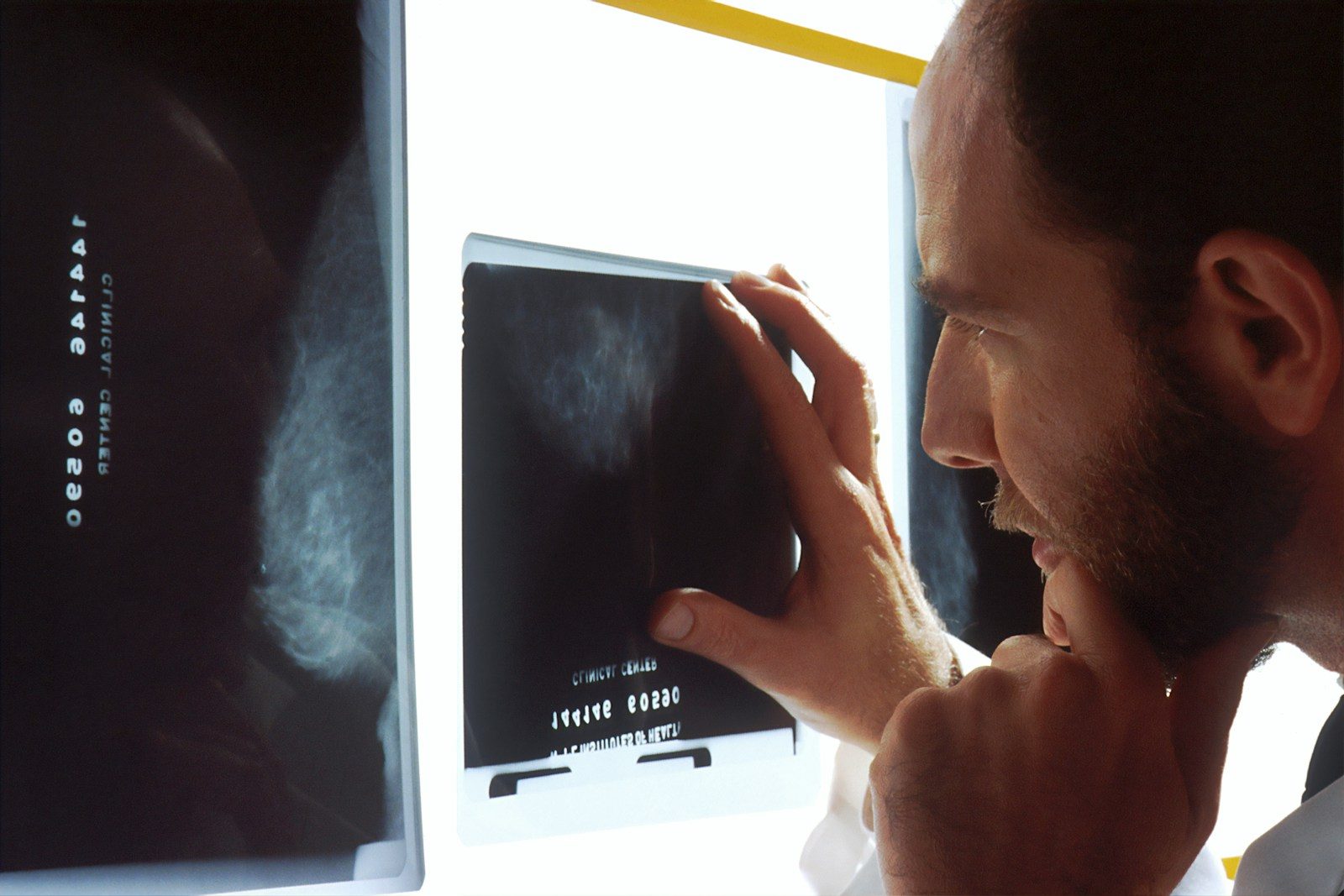
Combining imaging with symptom-based screening can make screening more effective and less misses disease. Chest x-rays can demonstrate abnormalities in the lungs when patients are experiencing mild or nonspecific respiratory type symptoms. Combining a symptom transition program with imaging would allow for identifying high-yield groups in the screening process. For example, people who report new symptoms in the last week, whose abnormal chest X-ray would add further risk to an already potentially serious disease. In areas where there are few expert chest x-ray readers, reliable computer-supported image interpretation can be a useful tool to support rapid screening in places such as mobile units.
Molecular tests can play a critical role in screening for TB by providing rapid confirmation of and transmission prevention after initial screening. Programs and their staff need to be able to confirm results quickly and link those who test positive to appropriate, quality care and treatment. In addition to quickly detecting the presence of TB, molecular tests can also have the potential to provide additional information to guide patient treatment, especially in those situations where knowing the presence of drug resistance can mean the difference between life and death and when delayed treatment is not an option. For those found to be infectious, prompt confirmation of TB diagnosis can facilitate earlier initiation of appropriate treatment.
Tracking a person’s symptom history as data can be very useful. Tracking symptoms from round to round is helpful when each screen is organized and presented in a similar format and linked to the individual in question. This can be as simple as a notebook and pen, and a paper register where present/absent of various symptoms are circled or marked. Digital tools can take this even further, such as generating lists of people with new symptoms for the day as well as which people need to follow up with imaging and/or testing because they reported symptoms.
The flow from ethical screening to good care is also an important consideration. Programmes responsible for TB screening are not only responsible for ensuring that high quality ethical screening occurs, but also for providing diagnostic evaluation and access to appropriate treatment for those found to have latent infection. High quality screening is not simply a matter of identifying people with latent TB infection; it also entails ensuring that those found to be infected have access to appropriate follow-up diagnostic testing and care in a timely and respectful manner. Maintaining the confidentiality of the screened individual is also critical, as screening for TB can expose individuals and programmes to stigma in health facilities, social services, schools and other locations.
Who It Affects
Serial symptom monitoring is most beneficial to individuals in congregate settings. Prisons, homeless shelters, migrant service centers, and crowded work places such as restaurants, retail stores, and manufacturing plants are locations where TB exposure and transmission may occur, and often have limited access to timely and appropriate health care. Symptoms of TB can occur between health visits, and may not be reported due to patient fears, lack of time, or difficulties in accessing clinics. In these settings, serial screening serves both as a clinical tool and an equity tool.
Health workers should consider monitoring for TB and referring for confirmation tests more frequently for people with HIV or other immune-suppressed conditions. Due to their weakened immune system, TB may progress more quickly in these individuals, and may present with atypical or fewer typical symptoms. By regularly assessing for changes in symptoms, as well as by using repeated chest imaging, health workers can identify illness early and refer for confirmation tests before the patient’s condition deteriorates. Understanding the transitions between different combinations of symptoms can help health workers make these decisions.
Previous lung disease or abnormal chest images for other reasons are present in individuals at risk for TB. Conditions that may increase risk for TB and complicate evaluation of new or changing symptoms include prior tuberculosis, untreated fibrotic lesions, silicosis from silica exposure, and chronic lung disease.
Clear decision rules to facilitate prompt accurate diagnosis without delay due to evaluation for symptoms not requiring diagnostic testing are needed.
Household contacts and other contacts close to the case may be followed up to look for illness. Some of these contacts will be found to be negative when first assessed but then go on to develop TB later. By monitoring the symptoms of the contacts between the follow-up sessions scheduled, it may be possible to identify early signs of illness before the next planned follow-up session, especially in the months following exposure. Regular follow-up with contacts helps to identify disease that may not become apparent for some time and helps to prevent transmission of TB to others in the contacts’ household.
Predictable outreach is particularly important for reaching people who face barriers to care. Many clients of PMHNP training programs experience homelessness, recent immigration, lives in geographically remote locations, stigma and shame related to mental illness, or other factors that prompt them to delay seeking mental health care until their symptoms have become severe. By conducting outreach on a regular basis (every 3-6 months) such programs reduce the need for individuals to self-present for evaluation and identification, allowing for the screening of people who might otherwise remain undiagnosed. Working with marginalized communities requires that programs use symptom transition tracking to organize outreach rounds while at the same time build trust and ensure confidentiality.
Follow up of contacts will require additional resources and some programs will need to design and plan additional screening programmes. Increased serial monitoring for new symptoms will lead to an increased number of referrals for imaging and confirmatory testing. Systematic screening programmes need to be designed and planned with consideration of diagnostic capacity, staffing, specimen transport and result reporting as well as appropriate linkages to health facilities for management of identified cases. Targeted follow up can prevent outbreaks and severe illness requiring costly hospitalisation.
- Prioritize repeat symptom checks over single-time screening in high-risk populations to improve early detection and reduce transmission.
- Use new onset symptoms to triage who receives chest imaging and rapid molecular testing, especially when prior radiographic abnormalities exist.\\
- Invest in simple symptom-record systems and training so community health workers and nurses document symptom transitions consistently and respectfully.
- Plan resources and reimbursement for follow-up so extra diagnostic evaluation does not delay care for other patients.
What Changes
Tiered Workflows for Tiered Patient Needs: Convert Symptom Transitions into Actions: Low-cost symptom checks to see if a patient has changed symptoms; Symptom PLUS chest imaging for rapid diagnosis of patients with new symptoms to determine if underlying disease is present; Symptom PLUS imaging PLUS confirmatory diagnostic testing PLUS linkage to care for patients with symptoms and imaging findings most likely to benefit. Tiered, high-yield use of intensive testing.
An easier run pathway for suspected pulmonary & CI symptoms would include setting a target time for chest X-rays for new symptoms (e.g. within 24-72 hours) and a target for the turnaround time for confirmatory tests as soon as possible. You should also include simple decision rules for front-line staff, monitor whether referrals to complete the pathway are completed on time and whether results come back on time. How would you manage a patient unable to produce sputum? How would you assess for extrapulmonary symptoms?
Contact tracing for TB must protect the experience of patients and ensure that patient information is kept confidential. Follow-up screenings should be kept to a minimum. Explain the purpose of follow-up screenings to contacts. Use screening data only for clinical and public health purposes and keep data safe. Limit access to screening data to those with a legitimate role in TB control. Special consideration must be given in settings where screening takes place (e.g. prisons and workplaces) where contact screening may carry significant risk of stigma or other negative consequences for contacts.
Consider how the limitations of this approach could result in false positives (individuals identified as having a symptom transition that could be TB, when in fact they do not have TB) or misidentification of individuals with minimal symptoms of TB. Consider other methods to address illness in your population, such as symptom screening using traditional tools like radiography where feasible. Consider how your program will efficiently confirm a TB diagnosis in the few individuals identified with a new cough that is not due to TB. Consider how your program will counsel patients that a TB test is being offered as a precautionary measure and that the vast majority of individuals tested for TB do not have the disease.
Future improvements to disease detection could come in the form of better tools. A portable digital chest X-ray reader that interfaces with a laptop or tablet could greatly facilitate the speed of field-based triage. Automation of image analysis, combined with simple decision rules based on a combination of patient symptoms and images could greatly enhance the ease and accuracy of the diagnostic process. These tools would need to be validated in local settings, but could then be monitored in different populations.
History of symptoms can be a highly informative dynamic signal to assist screening. Repeated symptom screening linked to chest Xray and early rapid diagnosis can improve the quality of the diagnosis, quickly prevent transmission, save lives and ensure proper referral and treatment by quality health providers in a respectful and dignified manner.
References:
One story a day
The story of the day, in your inbox
One health journey each morning — no advice, no alarm, just company for the road.