The Future of Pediatric Oncology: ATR Inhibition and the Evolution of Hepatoblastoma Management
Hepatoblastoma is a rare cancer of the liver that affects children.
 Written and medically reviewed byRayan SalihContributing writer · PharmD, RPh
February 23, 2026 · 2 min read
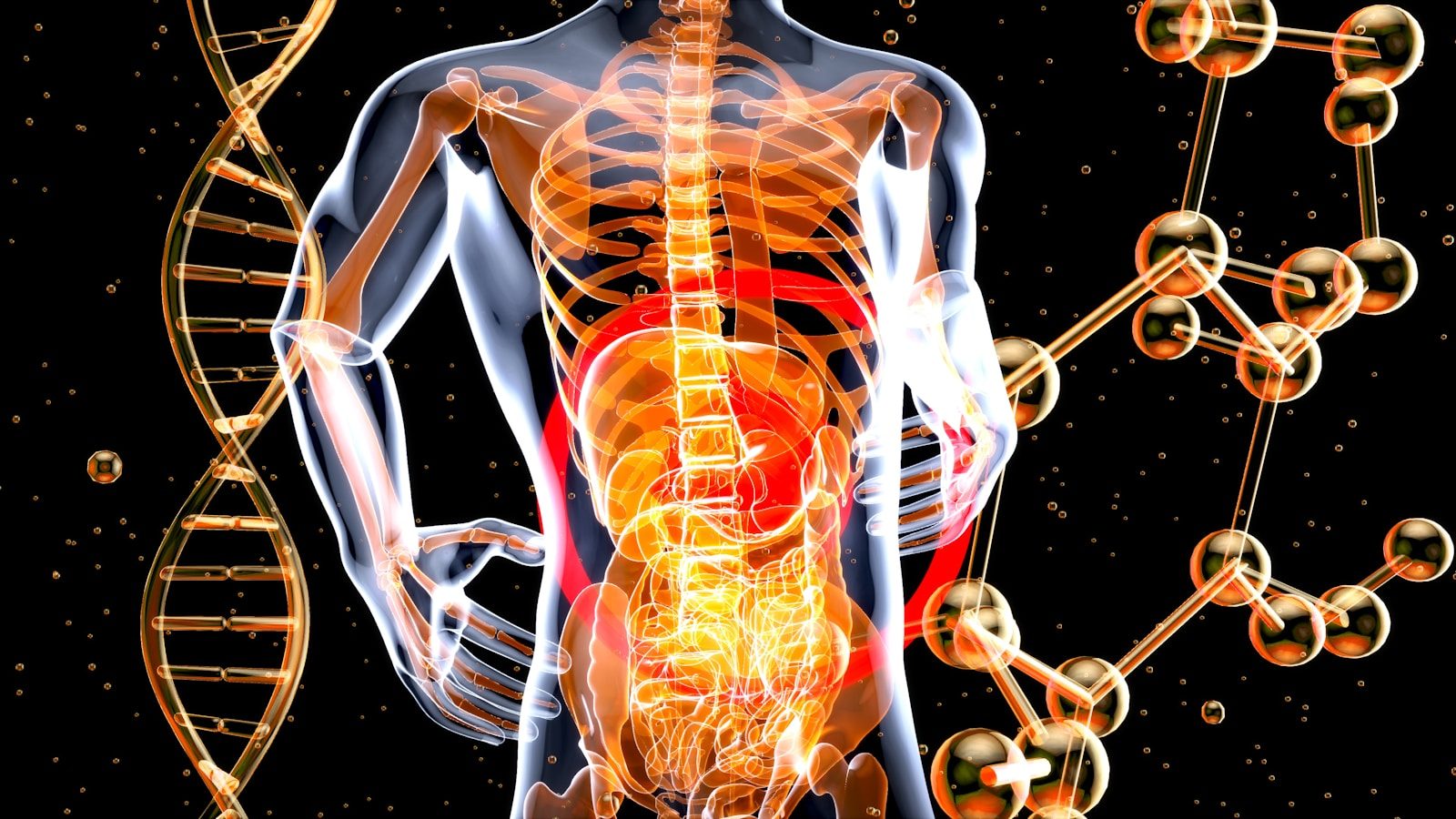
Hepatoblastoma is a rare cancer of the liver that affects children. Although uncommon, hepatoblastoma is the most common primary liver cancer in children, typically diagnosed in the first three years of life. Most children with hepatoblastoma are successfully treated with a combination of surgical resection and platinum-based chemotherapy. However, children with high-risk disease or those with metastatic disease have a less than optimal prognosis. Long-term complications resulting from current hepatoblastoma treatments further temper an initially optimistic outlook for the long-term survival of these patients.
A New Horizon in Pediatric Liver Cancer
Vulnerabilities of the tumor have been identified and targeted for therapy, particularly the serine/threonine kinase Ataxia Telangiectasia and Rad3-related protein (ATR). ATR plays a critical role in maintaining genome stability through the response to DNA damage. Hepatoblastoma cells have high levels of replication stress and as a result, the replisome encounters obstacles during DNA duplication. Hepatoblastoma cells become “addicted” to ATR kinase activity to survive. Inhibition of ATR induces irreversible mitotic catastrophe of the tumor cells, with minimal toxicity to non-transformed cells. The current study was undertaken to address clinically relevant and research-oriented issues regarding long-term outcomes and salvage therapy for hepatoblastoma.
Why It Matters
Hepatoblastoma is a rare pediatric malignancy affecting about 1-2 children per million per year. Due to its rarity, large clinical trials cannot readily be conducted to test new drugs to treat the disease.
The Cisplatin Conundrum
The treatment of many pediatric cancers relies heavily on cisplatin, a chemotherapeutic that is effective against a variety of tumor types. Unfortunately, cisplatin does not discriminate between cancerous and healthy cells, killing cells that contain DNA cross-links by cleaving DNA throughout the genome. While cisplatin is an effective cancer treatment, the unintended consequences of its use result in severe and often irreversible side effects for pediatric patients, including ototoxicity (permanent hearing loss) and nephrotoxicity (kidney damage). For the two year old “patient” in this piece, five decades of life without hearing or with impaired kidney function are the price of the successful treatment.
Comparison of Treatment Strategies: Standard vs. Emerging
One story a day
The story of the day, in your inbox
One health journey each morning — no advice, no alarm, just company for the road.