World’s First Neuralink User Reveals How Brain-Computer Implants Are Transforming Disability Care
The arrival of a Neuralink brain-computer interface into a real-world clinical setting marks a turning point.
 Written and medically reviewed byDr. Abu BakarContributing writer · PharmD, PhD (Pharmacology)
June 6, 2026 · 6 min read
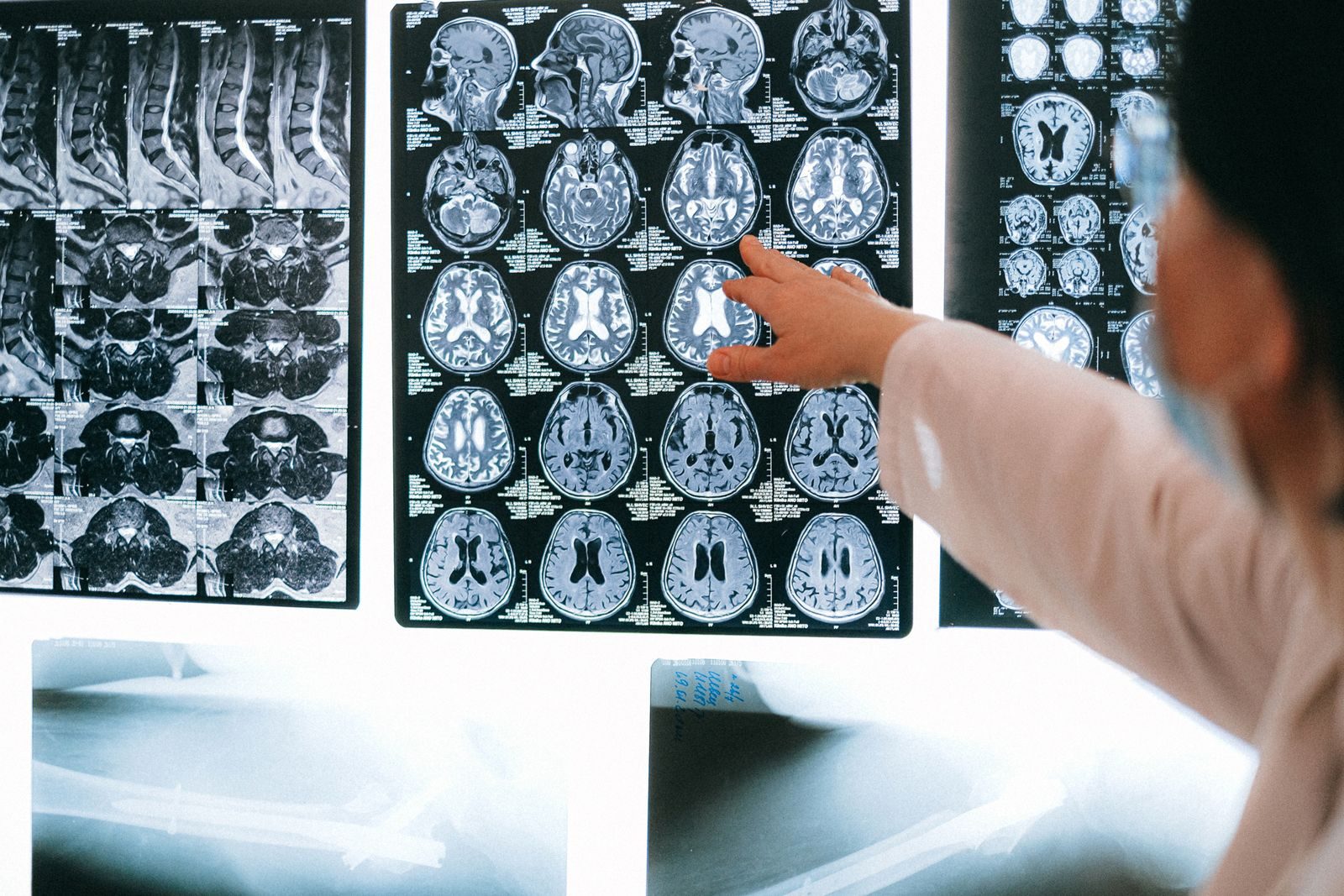
The arrival of a Neuralink brain-computer interface into a real-world clinical setting marks a turning point. In January 2024, Noland Arbaugh became the first person to receive the Neuralink implant. Now, almost two years later, he is set to give a keynote address at DeviceTalks Boston (May 28, 2026) to share what life with the device is like. His journey regaining some control over his own life sends a clear signal to clinicians, policymakers, and health systems that the era of thought-controlled technology is here.
Why It Matters
Brain-computer interfaces have moved from science fiction to practice. Devices that read brain signals and turn them into actions are giving people with paralysis powerful new ways to communicate. In clinical trials, participants have seen rapid improvements like typing messages or controlling a cursor that far outpace older assistive technologies. Now the focus is shifting. It’s no longer just “can we decode neural signals?” but “can hospitals safely implant and support these devices, who will pay for them, and how do patients balance their hopes against realistic outcomes?”
In clinical practice, it touches on rehabilitation, neurosurgery, neurology, and geriatric medicine. The early adopters note significant functional improvement in typing, gaming, manipulating a computer mouse, and driving assistive devices with minimal caregiver dependence. This presents a unique challenge for the clinician community to take on. Clinicians would require new approaches towards selecting patients, counseling prior to surgery, post-operative care, and follow-up to include device maintenance and neuro-rehabilitation. Such approaches are yet to be designed by many health institutions.
System-level issues are equally significant.Brain implants pose issues regarding regulation, reimbursement, workforce training, and equity. Educating neurosurgeons and other workers capable of implanting and maintaining these technologies can take considerable time and money. Insurance coverage for procedures and continued care, which would make the brain implants functional in practice, cannot be guaranteed by many companies. The technologies might exacerbate existing inequalities without proper policies, becoming accessible to only a few people who need such innovations.
Who It Affects
Paralyzed people and those with significant disabilities: If a person cannot move or communicate verbally, a BCI device can provide that ability again. Rather than trying to painstakingly type out messages using their eyes and other devices, a person simply needs to think about letters or commands. It is described by many recipients as a completely new lease on life as they are once again able to work, study, or talk to friends and family.
Clinicians and Therapists: Neurologists and neurosurgeons would be responsible for selecting patients and performing the surgery, while therapists train patients on how to use the device in everyday life. Technical personnel too may have to be involved in programming and maintaining the interface. Indeed, a team at the research center called BrainGate consists of neurologists, engineers, and computer scientists, all working together for their patients to communicate.
Healthcare organizations: Hospitals will need dedicated BCI programs or clinics. These teams might include neurosurgeons, neurologists, rehabilitation specialists, device engineers, and IT staff all working together. We expect only a few specialized centers will offer implants at first, to ensure high expertise and safety. That concentration improves quality of care but means patients in distant or rural areas may have to travel long distances for treatment.
Insurers and policymakers: BCIs come with high costs and tough policy questions. An implant involves expensive surgery, a high-tech device, and years of therapy. Insurers will want strong evidence of benefit before covering it. Policymakers face ethical issues too: many are beginning to treat brain signals as sensitive health data. They will need to decide who controls neural data and how to ensure fair access, so that only well-insured patients do not reap all the benefits.
Family members/caregivers: Patients acquire new skills, and their families will have to cope as well. For instance, a caregiver who is working for eight hours providing assistance or communication will no longer do so once a BCI has been implanted into the patient. Family members will have to be trained as well to guide the patient in using the BCI at home.
What Changes
- Clinical workflows: Hospitals have to develop new workflows that cover all of the above. It will include such elements as criteria for choosing candidates, proper pre-surgical preparation, and monitoring after the procedure. Aftercare will consist not only of maintaining the device but also rehabilitation training for the patient.
- Multidisciplinary teams: Fresh teams should be formed. In addition to neurosurgeons and neurologists, multidisciplinary teams will consist of physiotherapists and nurses trained in brain-computer interfaces. Providing training for all professionals involved in taking care of patients using BCI devices is not an easy process.
- Insurability model: The payers will have tough decisions to make. There will be costly surgeries and medical devices needed along with therapy. Payers will need strong evidence that this is worth it for their insurance companies before paying up. For a while, insurances might only allow it for testing purposes.
- Legal, ethical, and security: Governments must decide how to protect neural data privacy (many now treat brain signals as sensitive health information) and set cybersecurity standards for implants. Policymakers will also tackle fairness: ensuring this technology does not remain available only to wealthy or urban patients.
- Industry collaboration: Medical device companies and healthcare providers will have to work closely. Hospitals may partner with BCI makers on training and post-market studies. This collaboration can speed up innovation and improve safety, but it also raises conflicts-of-interest and data-transparency issues that will need oversight.
- Patient counseling: Managing expectations is crucial. Media stories often highlight success, but outcomes can vary widely. Clinicians should clearly explain what the device can and cannot do, the likely timeline for improvement, and the possibility of needing follow-up procedures or adjustments. This clear communication helps patients and families plan realistically.
- Infrastructure and access: Initially, only a few specialized centers will offer implants. This ensures expertise but limits geographic access. Even with telemedicine for follow-ups, patients will still have to travel for surgery and rehab. Health systems might consider outreach clinics or travel support programs for eligible patients in remote areas.
- Economics of care: The costs will be a real test. If BCIs deliver strong, lasting benefits (for example, restoring communication ability), payers may cover the procedure for selected patients. If benefits are smaller or short-lived, insurers may remain cautious. Clinicians and advocates will need robust outcome data to make the value case for coverage.
- Future directions:Progress is expected to occur along several lines. One line of development will involve making invasive brain-machine devices more sophisticated (advanced materials, smarter algorithms, improved user interfaces), while another line will consist of developing noninvasive techniques (such as external or injectable sensors). There will also be regulatory guidelines that must be met.
- Preparation: Healthcare managers must begin their preparations immediately. Providing education on BCI systems, altering consent forms, and making provisions for new technology and treatment facilities are tangible first steps to take. Hospital administrators also need to forge relationships with rehabilitation experts and patients to create feasible treatment plans.
Looking ahead, neural interfaces promise to reshape disability care and everyday life. But they also expose the challenges of introducing a breakthrough technology into complex health systems. The coming years will show whether these devices become routine tools or remain specialized options. Either way, clinicians and health leaders should treat this as a call to prepare: set clear standards, train teams, and protect patients as this technology moves from the lab into real-world care.
References
- DeviceTalks Boston. Noland Arbaugh. DeviceTalks Boston. 2026. URL: https://boston.devicetalks.com/event-speaker/noland-arbaugh/ [\[boston.dev…etalks.com\]](https://boston.devicetalks.com/event-speaker/noland-arbaugh/)
- ClinicalTrials.gov. Precise Robotically IMplanted Brain-Computer InterfacE (PRIME). ClinicalTrials.gov. 2026. URL: https://clinicaltrials.gov/study/NCT06429735 [\[clinicaltrials.gov\]](https://clinicaltrials.gov/study/NCT06429735)
- U.S. Food and Drug Administration. Implanted Brain-Computer Interface (BCI) Devices for Patients with Paralysis or Amputation – Non-clinical Testing and Clinical Considerations. FDA. 2021. URL: https://www.fda.gov/regulatory-information/search-fda-guidance-documents/implanted-brain-computer-interface-bci-devices-patients-paralysis-or-amputation-non-clinical-testing [\[fda.gov\]](https://www.fda.gov/regulatory-information/search-fda-guidance-documents/implanted-brain-computer-interface-bci-devices-patients-paralysis-or-amputation-non-clinical-testing)
- World Health Organization. Landscape analysis of the opportunities and challenges for neurotechnology in global health. WHO. 2025. URL: https://www.who.int/publications/i/item/9789240109049 [\[who.int\]](https://www.who.int/publications/i/item/9789240109049)
One story a day
The story of the day, in your inbox
One health journey each morning — no advice, no alarm, just company for the road.