Why Patients Are Choosing Telemedicine For Diabetes Care
Telemedicine is bringing clinical interactions such as blood sugar monitoring to people with diabetes via the internet.
 Written and medically reviewed byDr. Abu BakarContributing writer · PharmD, PhD (Pharmacology)
March 21, 2026 · 13 min read
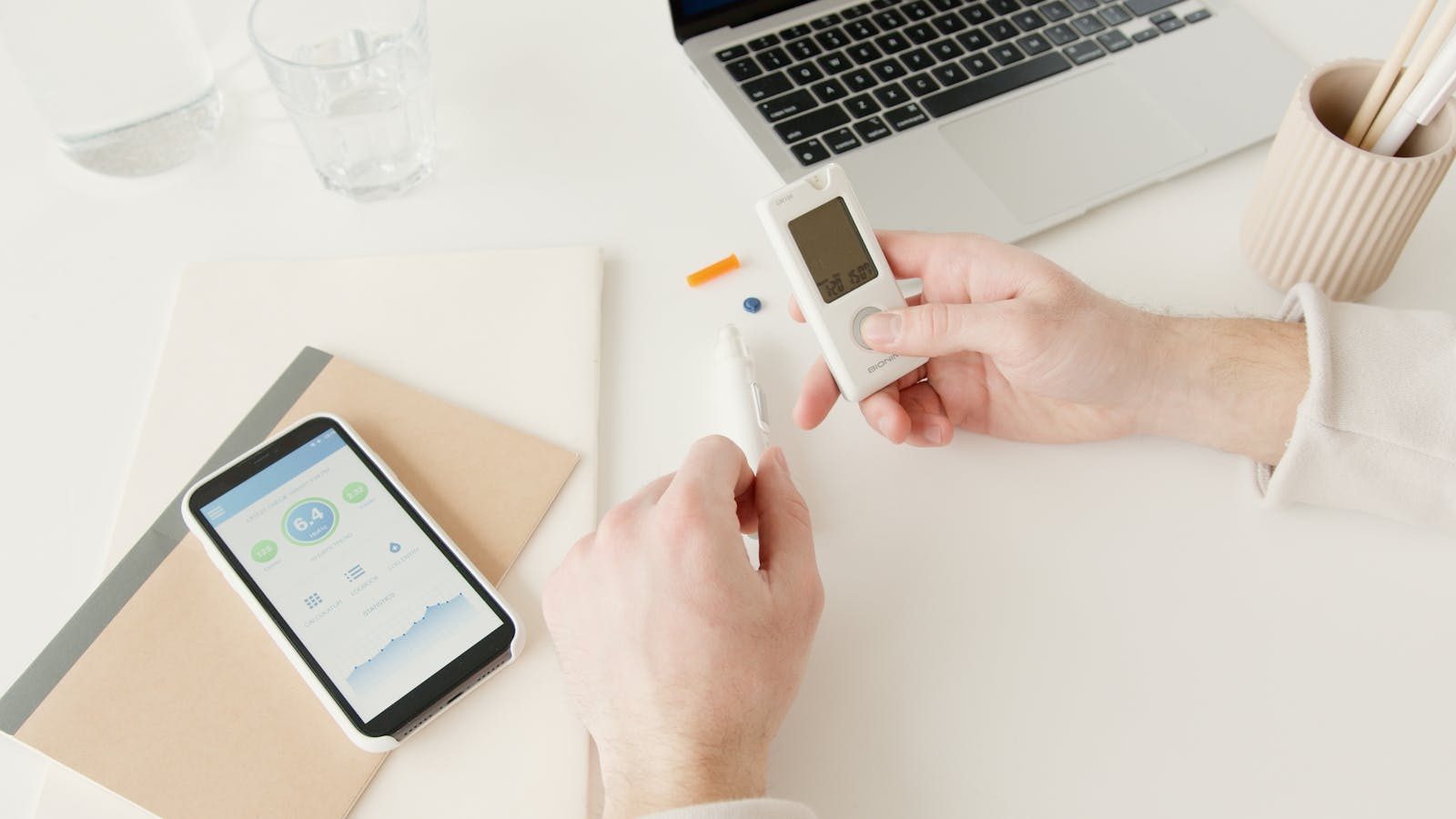
Telemedicine is bringing clinical interactions such as blood sugar monitoring to people with diabetes via the internet. Telemedicine can make simple follow-up more frequent by moving it from the clinic to your phone, car, living room, etc. However, there are trade-offs to using telemedicine that healthcare leaders and patients should consider when deciding whether to “jump in the pool”. The biggest being safety, access, data management, privacy, and communication.
Why It Matters
Unlike other forms of diabetes care that are provided on an intermittent basis, most people with diabetes require on-going evaluation and management of their condition. This typically involves the regular review of glucose data, modification of medications, dietary and physical activity counseling, and screening for complications. Telemedicine enables health care providers and their teams to frequently evaluate patients and make timely decisions regarding their care. Telemedicine also provides patients and their families with timely education on how to manage their diabetes on a day to day basis. Access to care is made easier for patients, and they are more likely to ask questions, report any side effects of their medications, and follow up on diabetes education.
In diabetes care, it is helpful to move remote glucose data from memory to trends between clinical visits in order to empower patients and care teams to make timely and informed clinical decisions. Connecting to digital glucose data sources such as glucose meters, continuous glucose monitors (CGMs) and insulin pumps naturally extends the diabetes telemedicine visit to include the remote glucose data review between visits. Join patients and care teams to review time in range, overnight lows, post meal spikes, week-to-week trends and more. Use the information to make timely dose adjustments and reinforce healthy behavior change while preventing hypoglycemia and hyperglycemia events.
While group medical visits can be a rich setting for education and behavior change, there is something unique about telemedicine: it takes place in the place where and when patients make their health decisions. Diabetes self-management education and support is not a singular event – it is an on-going process where individuals and their families and support networks learn the skills and knowledge to live with diabetes. They will learn how to eat healthy and take medication as prescribed, wake up and go to bed at the right times, follow a plan on sick days, be active, get sleep, and manage stress. This process can be more easily scheduled into a busy practice, as patients and providers can more comfortably discuss dietary management of diabetes while showing off a patient’s kitchen and pantry. Patients can more easily discuss medication adherence and share out their current catalog of diabetes supplies and testing materials with the CDE in a virtual visit. Many patients are more comfortable discussing sensitive topics, such as barriers to adherence or food insecurity from home.
Whilst location used to be an issue, when it comes to gaining input and advice from specialist healthcare professionals, geography is now a redundant factor; enabling healthcare professionals to make the most of the skills that endocrinologists can bring to diabetes care, as much as those within primary care who are managing diabetes on a daily basis. Telemedicine can seamlessly connect a patient and their diabetes care team including endocrinologists, pharmacists and diabetes educators for discussion around treatment plans etc. This new technology is particularly useful for patients who have to travel hours to attend specialist clinics and as a result, have to take a whole day off work to attend a consultation lasting 10 minutes. This new approach means patients can be treated from the comfort of their own homes or offices, allowing them to be back at work supporting their families.
What good is evidence-based practice without evidence-measured practice? We have all done our research and are implementing the best telehealth and virtual diabetes care models that have been trialed in the real world, with modest but measureable glycemic benefits for both patients and providers. Even when measured by CGM, these models can produce meaningful improvements in time-in-range and reductions in HbA1c values. Patients starting from higher baselines (>10%) may realize even greater gains from these models, in addition to those that require regular titration and coaching to reach optimal glucose management levels. Telemedicine certainly has clinical value, but it is most powerful as a program, not a lone provider video call.
Where Telemedicine Fits Best in Diabetes Workflows
Some of the most effective types of visits for telemedicine are follow-up, titration, and coaching after diagnosis is established and safety considerations have been discussed. Secure messaging is also useful for a variety of quick tasks, such as dose changes, refills, or evaluation of a device alarm. Examples of virtual office visits (eg, video) include: follow-up visits for well management of diabetes; titration of oral medications or stable insulin doses; review of CGM reports; lifestyle counseling/behavioral coaching for weight and diabetes management; and coordination of care for related conditions such as hypertension and kidney disease.
Combining virtual and in-office elements for patient care can help keep diabetes patients both managed and safe. Much of diabetes care can be conducted, but not reliably, by someone sitting in front of a screen. The hybrid approach consists of routine virtual communication for ongoing management of diabetes and in-office visits for diabetes patients for photos, annual health maintenance, labs, vaccines and select screenings for complications such as foot problems and wound care. To ensure that telemedicine is successful, the practice must have an organized routine and schedule of when in-office care and virtual care will be most effective for managing patients with diabetes.
Safety, Appropriateness, and Escalation
Clear triggers for in-person care are important for the success of telemedicine and should be known by both patients and clinicians. Some examples of triggers for in-person care include new symptoms (e.g. diabetic ketoacidosis), worsening symptoms (e.g. severe hypoglycemia), recurrent unexplained low blood glucose, signs of infection, signs of a foot ulcer, change in neurologic function, findings suggestive of pregnancy, and medication side effects that require a physical exam. By having these clear pathways of escalation, providers and patients can avoid potentially severe harm to either party.
While ensuring that high quality data is collected is critical for effective remote diabetes management, it is not the only consideration at the system level. Of equal importance is the interpretation and documentation of that data.
Given the likelihood of “data abundance” in diabetes care and management, established programs are structured to take advantage of division of labor, following a routine schedule of data review on a daily basis or another interval. The team member reviewing the data (e.g. nurse, pharmacist, diabetes educator) uses pre-determined thresholds to identify whether any issues require clinical attention and then informs the prescriber accordingly. In addition, documentation of reviewed data, resulting decisions and planned follow-up is essential, including any changes to patient’s medications.
Equity and the Digital Divide
By offering telemedicine, healthcare systems can reduce barriers for patients and clinicians alike to connect. However, unequal access to fast, reliable internet and apps on smartphones or computers can create barriers for patients who don’t have a private space to talk or video chat, or who are not comfortable using apps. Patients with low health literacy, older adults, and patients for whom English is a second language may also be inadvertently excluded from telemedicine if platforms used by healthcare systems do not support them. Health systems must move away from starting from the assumption that telemedicine is “the default for everyone.”
Designing for equity is not an add-on, it is a necessity. There are several different strategies for reaching participants. In addition to phone-based virtual visits, some programs are using interpreters, simplifying language, and supporting staff to assist participants in uploading readings from their glucose meters as well as learning how to use particular functions on the platform. Others are creating “digital navigators” and partnering with community health workers. By incorporating equity into the design of your telemedicine program, you can actually reduce, not increase, health disparities.
Who It Affects
There are some important differences between the needs of type 1s and type 2s. Type 1s typically need to be making incremental changes to their insulin regimen on a frequent basis, and would benefit from regularly reviewing their CGM data, pump download reviews, and having rapid communication with their CDE regarding any changes in their patterns. Type 2s are more of a heterogeneous group, and may be on a variety of different therapies, including lifestyle changes, oral diabetes medications and insulin. The endocrinologist can assist the CDE in a stepwise fashion in order to titrate medication doses and discuss adherence issues, all while reinforcing the patient’s nutrition and activity goals. Both type 1s and type 2s will appreciate having these visits with their care team without having to have to travel. They are less likely to miss these visits and have a greater continuity of care.
Virtual visits encourage family and caregivers to be part of the care team. People with diabetes need partners, parents, adult children or other caregivers to manage or assist in managing the condition. This can include pediatric or older adult patients with disabilities. Families who live in different locations can easily participate in the telemedicine visit with their patients. In these visits, patients and their families will hear the plan of care and learn how to support patients in making healthy lifestyle changes. Families and caregivers will understand topics such as how to prevent hypoglycemia in patients taking insulin, and how to accurately discuss and coordinate with patients and healthcare providers about meal planning.
Primary care teams bear the greatest challenge in operationalizing telemedicine for diabetes care, transitioning from occasional in-person visits to frequent virtual ones. To accomplish this shift, practices need to develop processes for between-visit care including data review, titration protocols, and communication protocols to identify and address patient’s most urgent needs before they require an in-person visit.
As endocrinology services become more accessible to patients through more channels, practices must have sufficient capacity and have strong triage processes in place to return stable patients with diabetes to primary care. Telemedicine allows practices to reach patients that are farther away or have other handicaps that prevent them from coming to the office; however, also increases utilization. Triage protocols for endocrinology clinics would return stable patients to primary care with a plan and have the specialty practice see patients with more complex medical conditions such as recurrent severe hypoglycemia, advanced management of insulin pump and continuous glucose sensor data, patients who are pregnant, those with “brittle” diabetes, or patients with multiple medical complications.
Allied professionals are essential to scaling high quality remote diabetes programs. These health professionals are typically the educators within in-person diabetes programs and include a variety of specialties like diabetes educators, dietitians, pharmacists, and behavioral health clinicians. From educating on CGM use and diabetes 101 to dispelling diabetes myths that impact people with all forms of diabetes, health professionals play a critical role in ensuring remote program participants have the knowledge and tools necessary to manage diabetes effectively. Pharmacists administer and monitor diabetes medications, reconcile and titrate doses, and counsel patients and caregivers on proper adherence to prescribed regimens. Additionally, professionals with a focus in behavioral health address issues of diabetes distress, depression, and burnout which are major determinants of patient and caregiver self-care behaviors. As telemedicine expands to bring more high-quality health care to more people, the use of a team-based approach could help keep providers from getting swamped with work while also ensuring that patients have the consistent level of care that they need.
It’s on payers and decision makers to make sure telemedicine is sustainable. Coverage policies need to make sure practices have sufficient revenue to compensate staff to review data, educate patients and parents regarding management of diabetes and related risks, and review glucose data remotely. Payers also need to ensure that patients and families have access to CGMs and/or connected meters needed to take advantage of these services. Licensing and cross-state practice rules need to be loosened for specialist endocrinologists in regions where such expertise is in very short supply.
For developers and vendors, IT professionals need to know how your technology will enhance daily usability and put no unnecessary burdens on clinicians. Interoperability is not just a nice to have for IT professionals – it is critical to interoperability in clinical workflows. Presented in a clean format on a clinical dashboard or within their EMR, device data can inform clinical decision making in real time. Conversely, poor integration can require clinicians and staff to work around multiple systems, manually download and upload files, and other inefficiencies that can drive patient frustration and reduce adherence to telemedicine. Telemedicine programs that scale well limit the devices and platforms they support and clearly communicate steps patients need to take to prepare for a telemedicine encounter. They also have robust technical support who can answer questions in a timely fashion.
What Changes
Unlike some diabetes treatment tweaks that you might do on an occasional basis through telemedicine sessions with your CDE and/or endocrinologist, a data-driven approach to your care – what we call telemedicine – is more about a proactive approach to your diabetes management that involves frequent review of your glucose data and your overall experiences with the treatment plan. By taking this approach, you will be able to see the immediate and long-term effects that your treatment plan is having, and you can make clinical adjustments such as increasing your basal insulin doses if you are seeing overnight glucose values over the course of a week that are too high, investigate why you are experiencing hypoglycemia after exercising, and fine-tune your meal plan to address postprandial glucose spikes. The result? Less variability and more safety and control of your diabetes.
Care Delivery Becomes Hybrid by Design
Diabetes care of the future will be hybrid. There is no single way to manage diabetes. Instead, most diabetes care consists of an interplay of healthy lifestyle behaviors and medical therapy. The best way to manage the balance of these two elements is through a hybrid model. In this model, routine aspects of diabetes care like your medication regimen, diet and exercise can be managed remotely through the internet or phone. In-person office visits are reserved for annual exams like checking your feet, taking your blood pressure, reviewing your blood sugar levels, administering vaccinations, taking blood for lab work and other complications that require more than a simple conversation over the internet. Patients need to know what type of visits they will have, how often they will occur and whether they will take place in the office or remotely.
New Protocols Define Quality and Safety
Good diabetes care program performance is marked by several key factors related to how that program monitors data and responds to that data. Protocols around how the team will review data, how quickly the team will respond to data, and how the team will determine when to escalate patient care as they go up in dose (specifically as they go through levels of insulin titration) should all be considered. The clinic aims to review CGM data every 2 weeks during the titration phase and address any flagged issues within 24 business hours. The clinic determines in-person visits as needed but will see patients with wound symptoms as requested. The clinic has created standardized templates to ensure that CGM data review documentation and patient contact documentation are consistent and reduces liability by making sure communication with patients is clear. Patients have also been informed about the difference between calling for emergency services versus and contacting the team through the patient portal.
Technology and Training Become Core Infrastructure
Investing in training of clinicians and staff on clinical workflows as well as software is critical. Telemedicine changes a lot more than just how clinicians and patients interact – it changes how clinicians work with other clinicians as well as how clinical information is documented. Training should include virtual exam techniques and device data interpretation as well as privacy and communication best practices. Clinical operations will also need to develop templates to manage scheduling for shorter clinical visits as well as strategies to balance clinical time with data review, strategies to prevent burnout and strategies to clarify roles and responsibilities.
Closing the disparity gap in telehealth begins with measuring and improving design. This means tracking participation by age and age-related challenges, by language and ability to understand complex technical language, by urban and rural location, and by socioeconomic status. Several simple strategies have been found to increase participation, such as offering a phone option, providing multilingual support, simplifying instructions to participate, and supporting patients and families in setting up their devices. Additionally, strong partnerships with community organizations and primary care practices can help bring telehealth services to the patients and families most in need.
This article is the equivalent of a book written for patients by a physician. Please keep in mind that this article is not meant to be replacement for professional medical advice. You must talk to your doctor. If you’re a doctor, please advise your patients to call 911 if they experience any of the symptoms of this condition.
References:
https://pmc.ncbi.nlm.nih.gov/articles/PMC11304064/ https://pmc.ncbi.nlm.nih.gov/articles/PMC11260063/
One story a day
The story of the day, in your inbox
One health journey each morning — no advice, no alarm, just company for the road.