
Oncology
Ivonescimab Extends Survival in EGFR-Variant NSCLC
Ivonescimab plus chemotherapy prolonged median overall survival after EGFR-TKI therapy, but toxicity, generalizability and US regulatory status shape its relevance.
Rayan Salih · 7 min read

The archive
391 stories, newest first — page 2 of 17.
Oncology
Ivonescimab plus chemotherapy prolonged median overall survival after EGFR-TKI therapy, but toxicity, generalizability and US regulatory status shape its relevance.
Rayan Salih · 7 min read

Innovation & Devices
The FDA has cleared Dexcom Stelo for over-the-counter use in people aged 2 years and older who do not use insulin, extending nonprescription continuous glucose monitoring to children.
Rayan Salih · 6 min read

Health Policy
An FDA-posted recall of one morphine injection lot shows why hospitals need closed-loop alerts, secure quarantine and lot-level verification when a mislabeled container may hold hydromorphone.
Rayan Salih · 6 min read

Neurology
A multicenter phase 3 trial supports intravenous fosphenytoin for rapid relief during severe trigeminal neuralgia attacks. Its monitored administration and off-label US status limit where it can be used.
Dr. Abu Bakar · 6 min read

Clinical Briefs
FDA approval of RefluxStop requires a prospective study of 200 patients with GERD, reflecting unresolved questions about long-term implant safety, effectiveness and durability.
Dr. Abu Bakar · 6 min read

Cardiology
A 2026 meta-analysis estimated 32% lower odds of major cardiovascular events with semaglutide. The result supports cardiovascular benefit discussions but requires context on heterogeneity, absolute risk and indication.
Dr. Abu Bakar · 6 min read
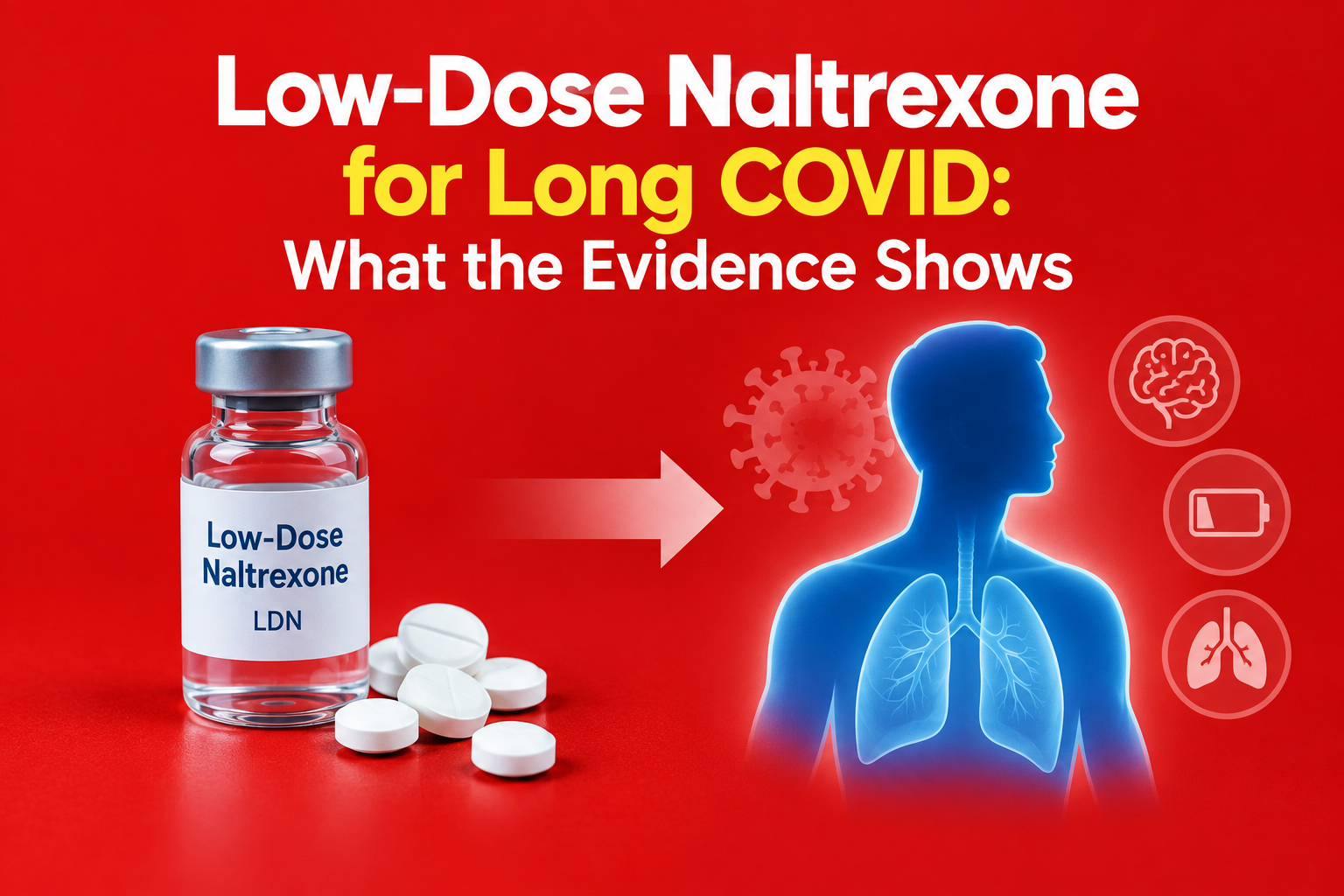
Neurology
Small studies report improvements in fatigue, cognition, sleep and pain among people with long COVID, but a systematic review rates the evidence as low certainty.
Dr. Abu Bakar · 6 min read
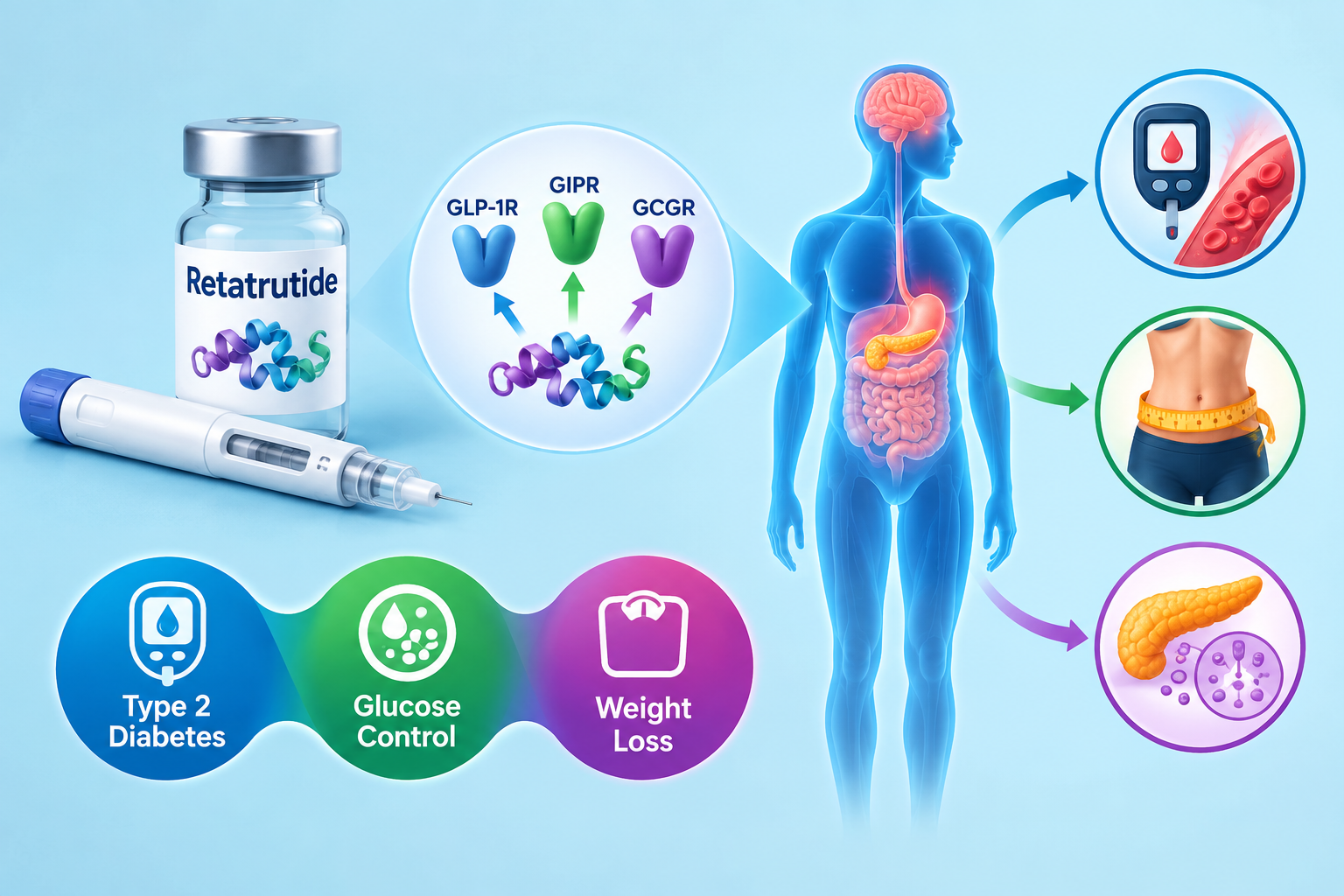
Endocrinology & Metabolism
In a randomized trial, retatrutide monotherapy lowered glycated hemoglobin and body weight in adults with type 2 diabetes inadequately controlled by diet and exercise.
Dr. Abu Bakar · 6 min read

Infectious Disease
IDSA’s 2026 guidance reviews treatment of major drug-resistant pathogens and highlights decisions clinicians and stewardship programs should reassess as evidence evolves.
Dr. Abu Bakar · 7 min read

Cardiology
In a randomized trial, acoramidis preserved patient-reported health status and reduced cardiovascular hospitalizations over 30 months in adults with transthyretin amyloid cardiomyopathy.
Rayan Salih · 7 min read

Cardiology
A randomized trial reported that stopping primary-prevention statins in adults 75 or older was noninferior to continuation for 3-year mortality. The confidence interval is central to applying that result.
Rayan Salih · 6 min read

Women's Health
An individual-patient-data meta-analysis found no improvement in live birth or clinical pregnancy when intrauterine hCG was given before embryo transfer.
Rayan Salih · 6 min read

Oncology
The FDA granted accelerated approval to sevabertinib for adults with advanced nonsquamous NSCLC harboring activating HER2 tyrosine kinase domain mutations, making validated genomic identification central to treatment selection.
Rayan Salih · 6 min read

Clinical Briefs
An FDA-posted recall covers an affected lot of tocilizumab-aazg (Tyenne) vials because of possible glass particles. Clinicians should separate patient assessment from inventory control.
Rayan Salih · 6 min read

Oncology
Accelerated approval places zidesamtinib after a prior ROS1 tyrosine kinase inhibitor, with reported activity in systemic and intracranial disease but no randomized evidence yet.
Rayan Salih · 6 min read

Women's Health
Updated ACOG guidance retains a 4-mm endometrial thickness cutoff while clarifying when ultrasound is insufficient and tissue evaluation is needed.
Rayan Salih · 6 min read

Infectious Disease
A cruise ship-linked Andes virus cluster highlights how clinicians and public-health teams should test suspected cases, monitor contacts and coordinate safe disembarkation.
Rayan Salih · 7 min read

Cardiology
FINEARTS-HF found that baseline blood pressure did not materially alter finerenone’s effect on cardiovascular death and total worsening heart failure events in patients with LVEF of 40% or higher.
Rayan Salih · 6 min read

Neurology
Staged bilateral focused ultrasound produced only small additional motor gains in Parkinson’s disease while leaving more patients with persistent moderate or severe adverse events.
Rayan Salih · 6 min read

Infectious Disease
FDA is investigating 98 Salmonella Enteritidis illnesses, including 26 hospitalizations, linked to recalled shell eggs. A detailed food history can connect compatible illness to the July 24 recall.
Dr. Abu Bakar · 6 min read

Oncology
FDA approval of rusfertide creates a systemic option for adults with polycythemia vera whose erythrocytosis has traditionally required phlebotomy, with or without cytoreductive therapy.
Dr. Abu Bakar · 6 min read

Oncology
FDA approval makes vepdegestrant an option for adults with ESR1-mutated, ER-positive, HER2-negative advanced breast cancer after prior endocrine therapy.
Dr. Abu Bakar · 6 min read
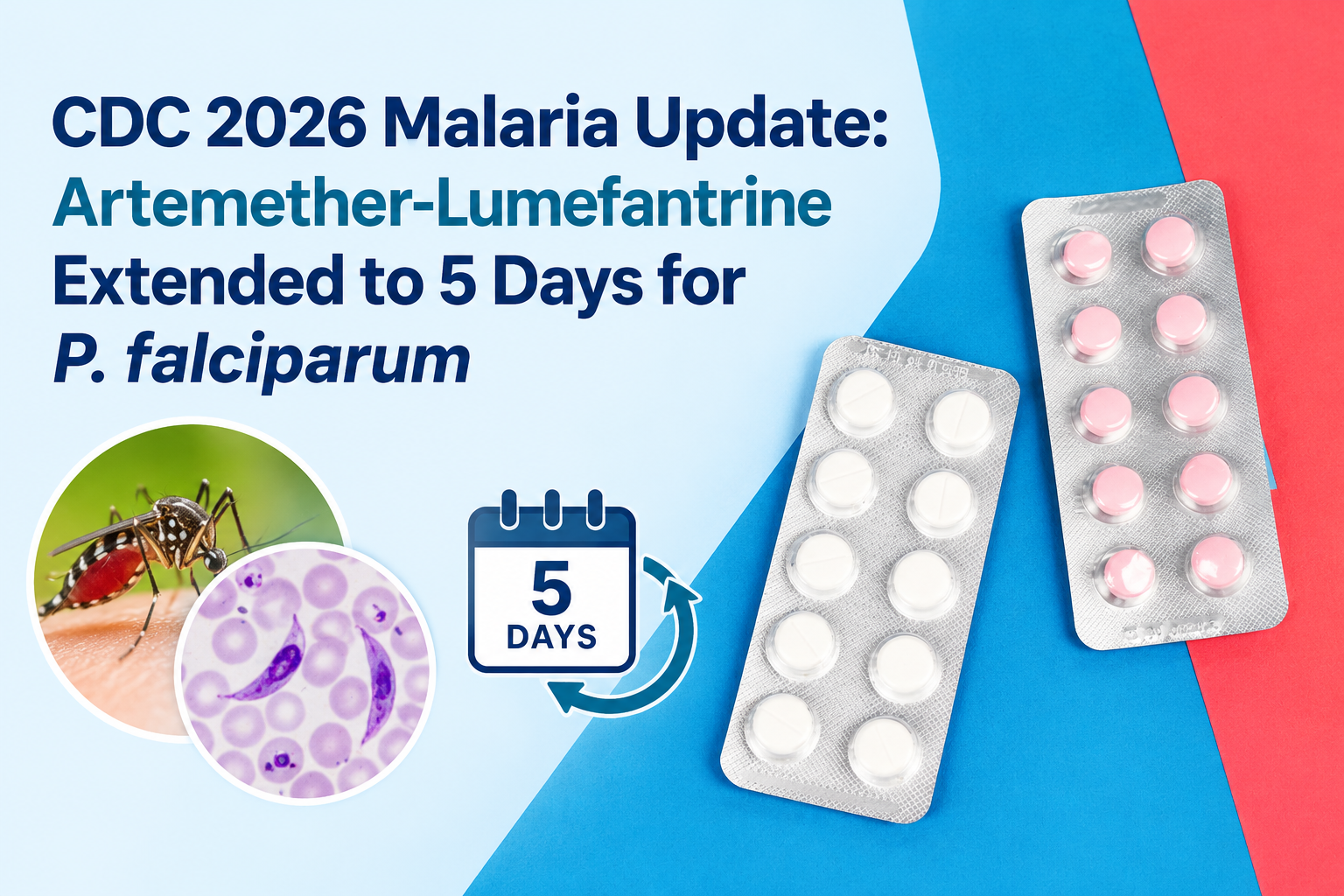
Infectious Disease
CDC now recommends a five-day, 10-dose artemether-lumefantrine course for uncomplicated falciparum malaria and after IV artesunate, plus inpatient daily smears for falciparum, knowlesi or unknown species.
Dr. Abu Bakar · 6 min read
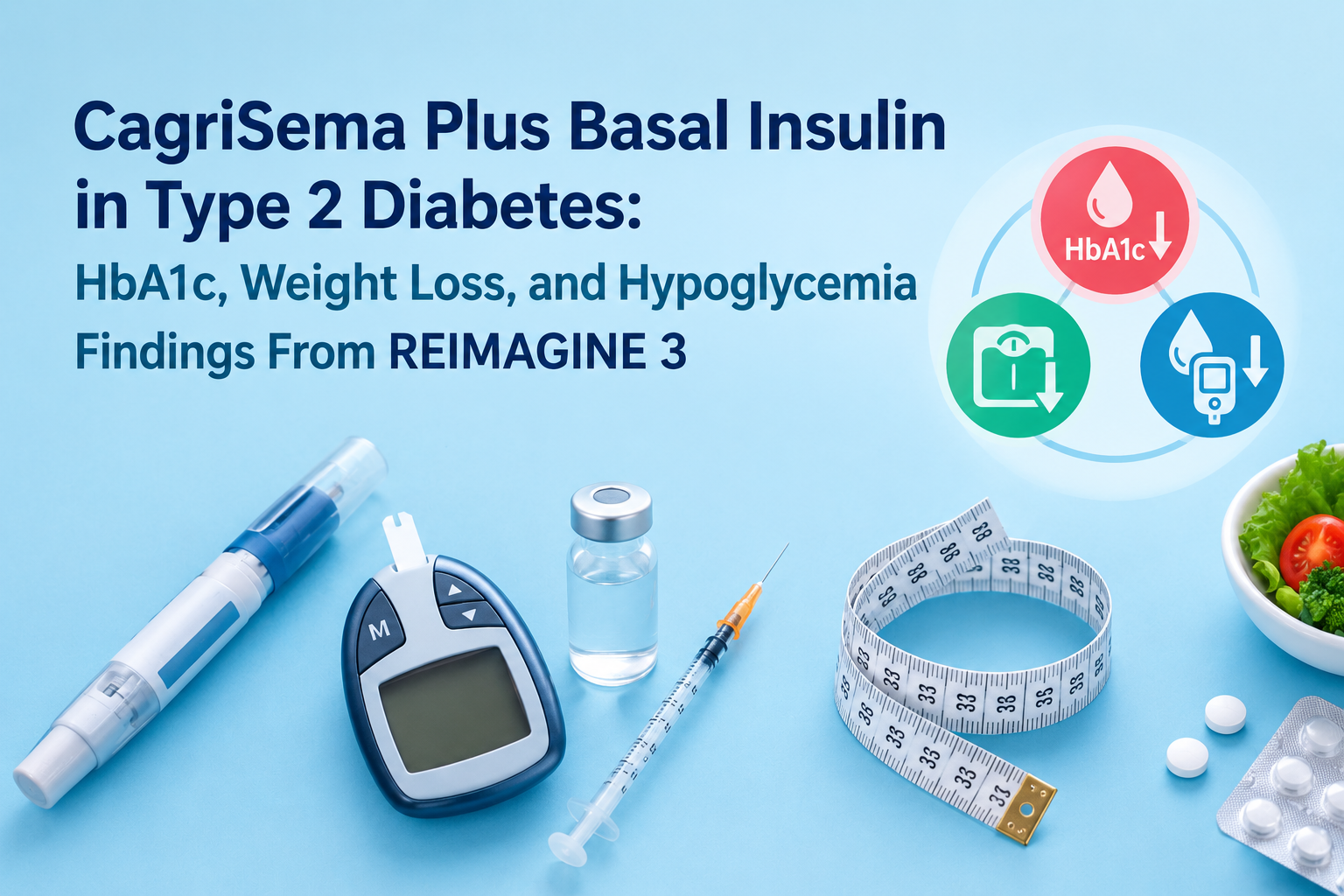
Endocrinology & Metabolism
REIMAGINE 3 found glycemic and weight benefits when cagrilintide-semaglutide was added to basal insulin in adults with type 2 diabetes. Hypoglycemia remains central to interpreting treatment escalation.
Dr. Abu Bakar · 6 min read